
GROW Fund
GROW: Confidence, Community, Possibility
Backing purpose-led entrepreneurs making an impact in Barking and Dagenham.
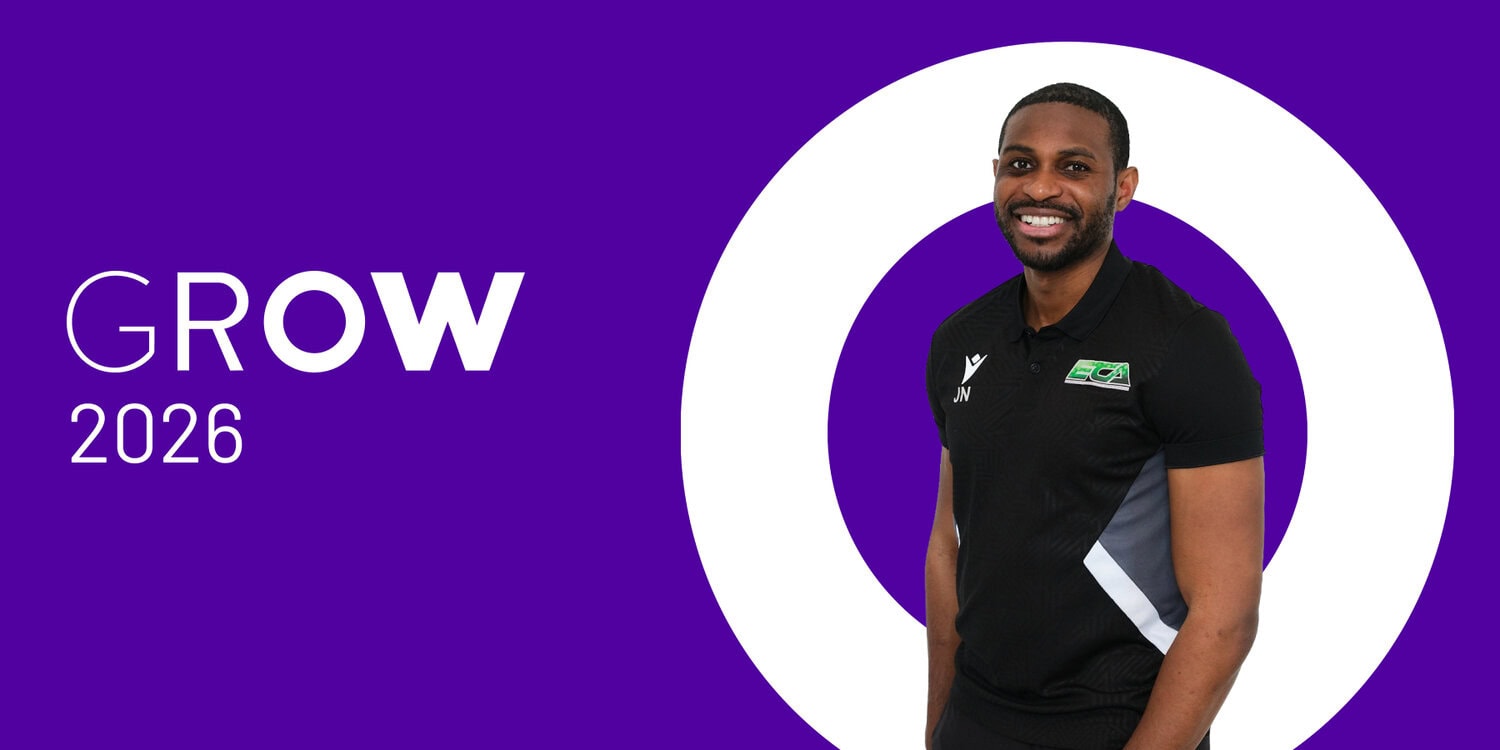
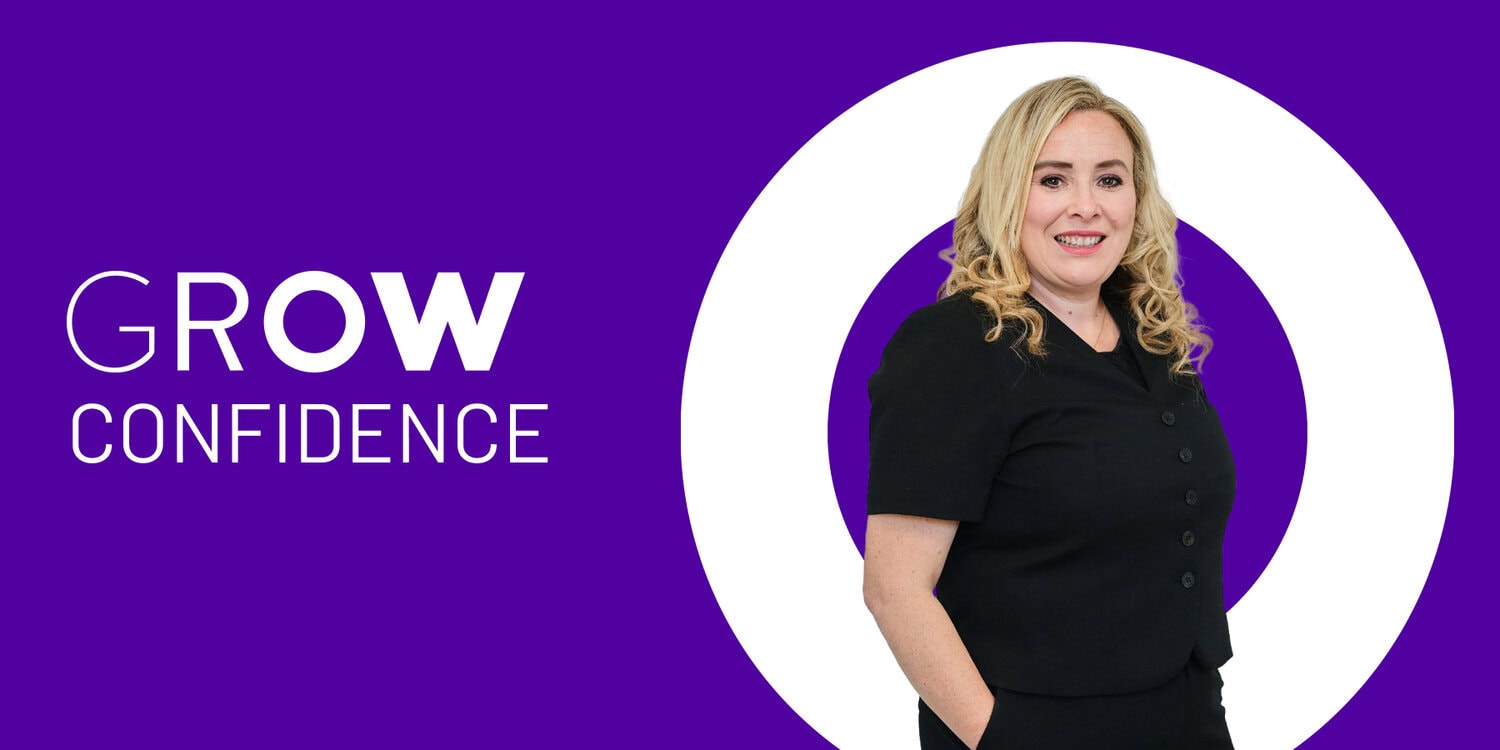
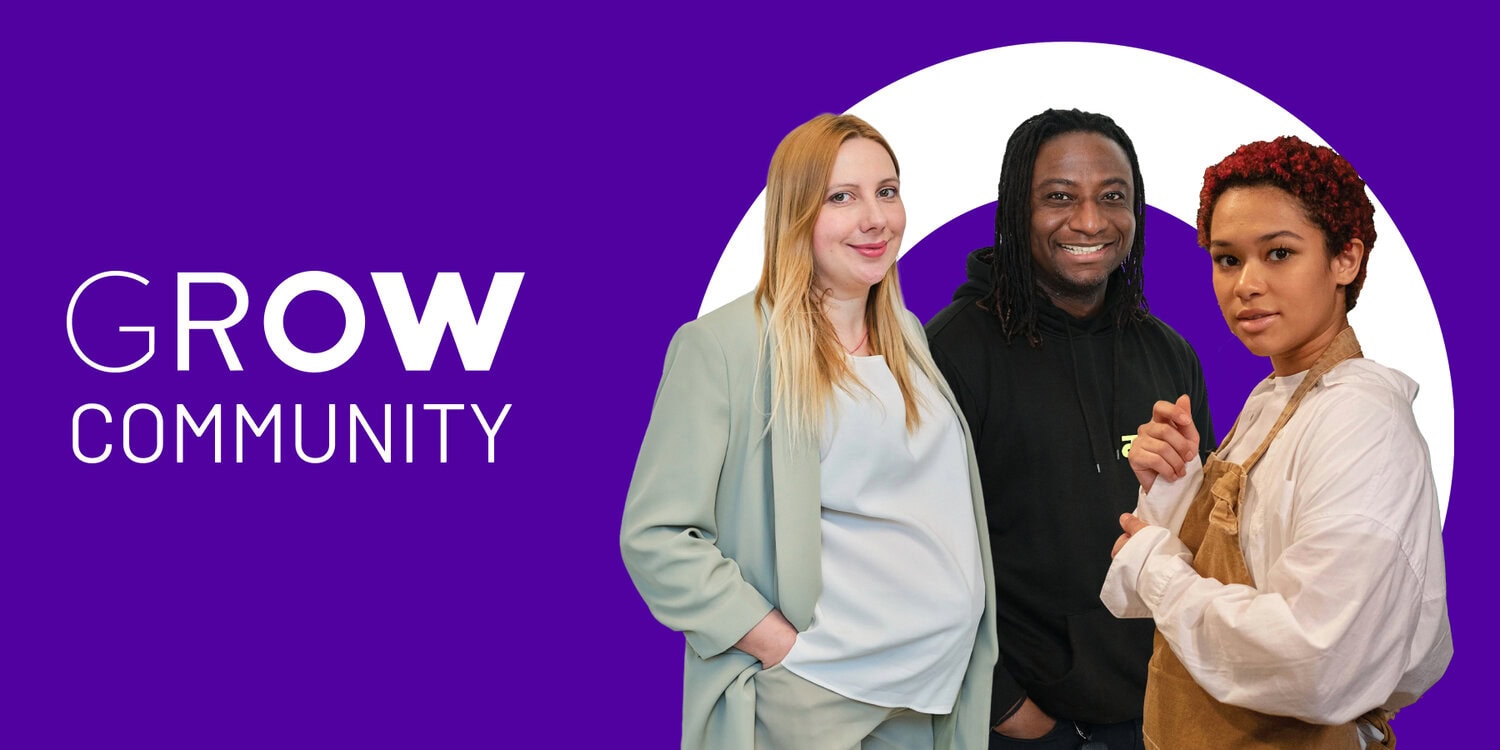
Created by local people, for local entrepreneurs, GROW invests in Barking and Dagenham’s entrepreneurial success.
The idea came from a group of residents who wanted to develop a pipeline of local entrepreneurs that can create both a commercial and a social impact in the borough. Since 2023, 18 local businesses have taken part, with three taking on social investment so far.
The Opportunity
Successful applicants get:
- £10,000 grant (non-repayable) + access to £5-15,000 to get investment ready
- Equity free investment from £25,000
- Group learning and one-to-one coaching
- A supportive community of entrepreneurs to help you GROW
- A chance to pay it forward – all investment repayments will be reinvested back into the borough
Being an entrepreneur can be lonely. I’m glad I’ve met my tribe with GROW.
— John Akinde, founder of Ideate Ed(opens in new tab), a youth-led London education company that mixes equity thinking, gamification, and creative innovation into learning.
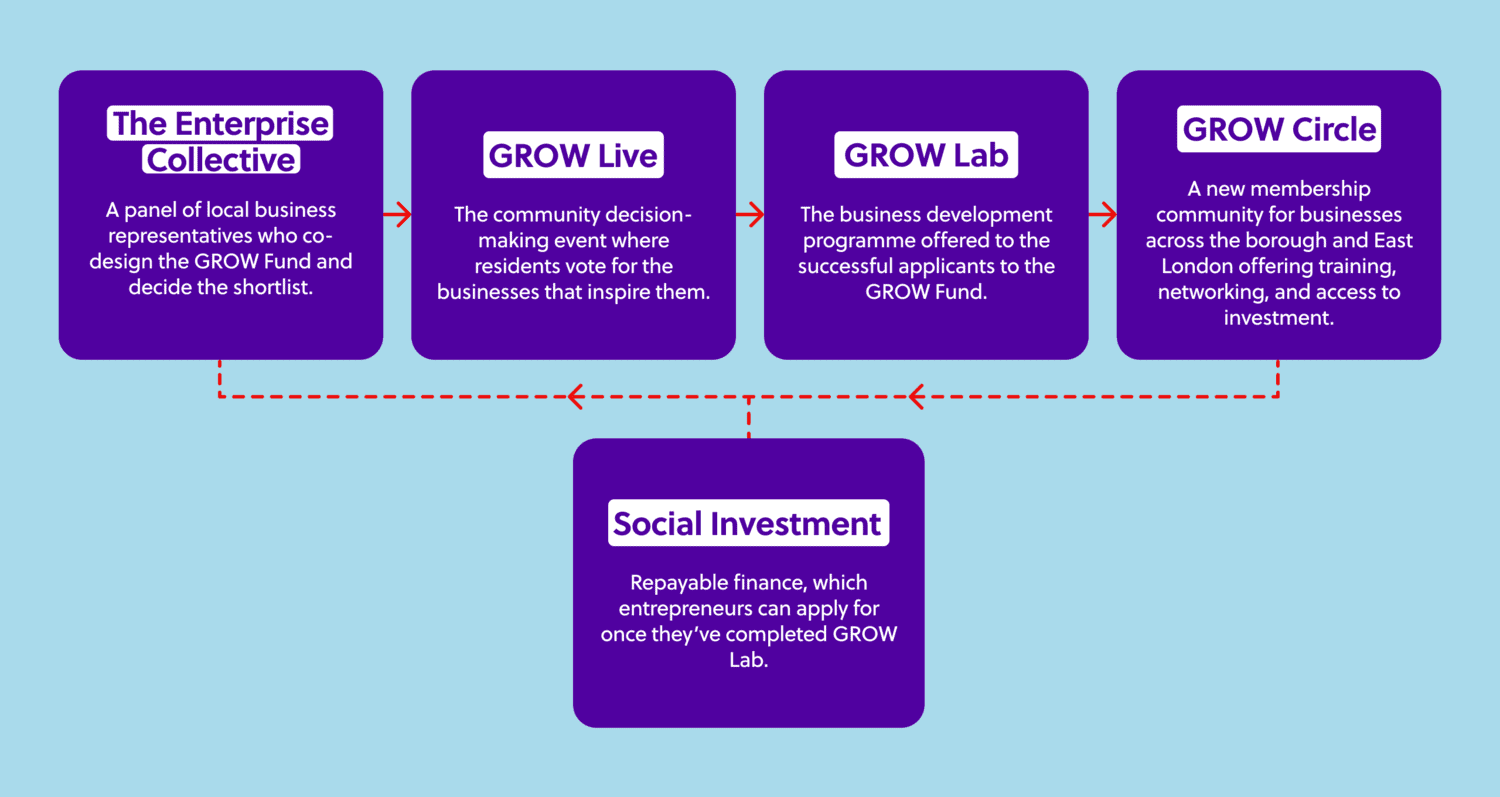
Fig 1: Timeline showing the GROW Fund cycle for applicants
The Criteria
To be eligible, applicants must meet all of the following criteria:
- Have not previously applied and been successful in any previous GROW fund rounds.
- Be at least 18 years old.
- Be currently trading.
- Have a turnover below £350,000 last year.
- Be making a positive impact, or have clear plans to do so, in Barking and Dagenham.
- Be willing and able to personally commit at least 10 hours a month to the GROW Lab business and network development programme.
- Have a clear ambition to develop your business through investment (which may be a business loan).
The Impact of GROW
Successful GROW applicants join a growing community of inspiring entrepreneurs who are making an impact in East London.
Because GROW is designed with and for our community, it reaches people who are under-represented in other investment communities.
Since GROW launched in 2023, we’ve supported 18 businesses, with 3 taking on social investment so far.
78%
of applicants were from
Global Majority entrepreneurs
50%
were from women-led enterprises
23%
of applications were from entrepreneurs aged under 30 (with 10% aged 18 to 25)


Meet the entrepreneurs
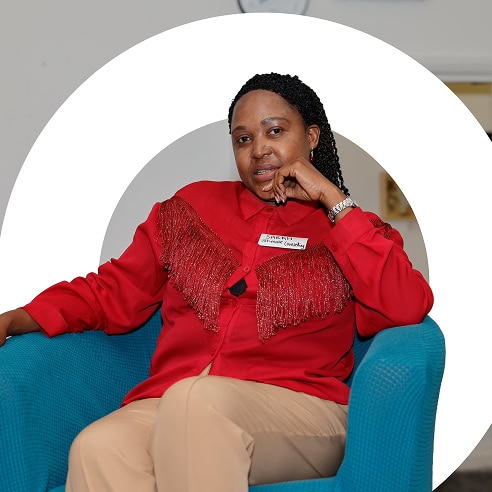
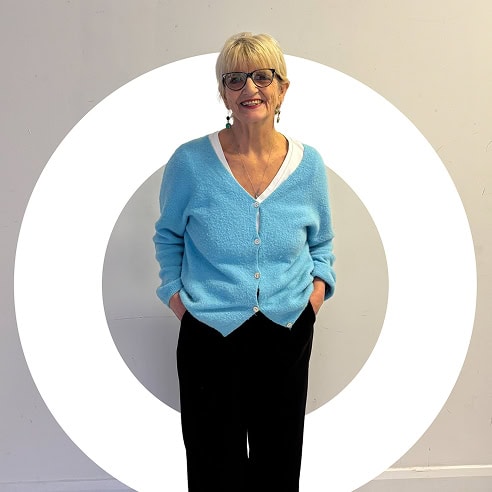
Discover the experiences of people who have gone through the GROW programme and are still part of our community today.
Click on an image below to read their story:



Resources
Learn more about GROW Fund and social investment.
If you have any questions,
you can contact Jack Webb,
GROW Programme Manager.

Jack Webb
GROW Fund Programme Manager
Thanks to funding from Esmée Fairbairn Foundation, BD Giving will run GROW until 2027.
Social Investment Jargon Buster
Here is some of the common language found in the social investment industry.
Most definitions come from from Better Society Capital’s Glossary and we have adapted them for our community (see here https://bigsocietycapital.com/glossary/(opens in new tab)).
You can this as a tool to better understand our work in Barking and Dagenham.
View extended jargon buster as PDF or scroll down to read.(opens in new tab)
Aa
An asset class
A grouping of investments that have similar characteristics, such as risk levels, and are subject to the same laws and regulations.
Assets
The various resources that an individual or organisation owns (such as property, land, equipment etc).
Bb
Balance sheet
A “snapshot” of the assets and liabilities of an organisation at a single point in time.
Blended capital
Provides a mix of grants with loan finance to provide a range of flexible finance that can potentially cancel out some of the perceived or unknown risk of providing the finance to the lender. It offers flexibility with discipline and can be appropriate for riskier types of capital investments.
Bond
A loan that entails a promise to repay a borrowed amount by a particular date at an agreed upon, along with a fixed-coupon payment (the annual interest rate paid on a bond).
Cc
Capacity building
Helping organisations and people become stronger so they can grow resources, improve systems, and learn new skills.
Capital
The amount of cash and other assets held by an organisation.
Cash flow
An organisation’s total expected outflows and inflows over the year. A cash flow forecast is important in understanding where there will be shortages and surpluses of funds during the year and planning for ways to resolve these.
Co-investment
Investment in a project or fund alongside and often on the same terms as other investors.
Dd
Debt finance
Investment with the expectation of paying it back. Debt finance usually takes the form of loans, as well as overdrafts. Generally, these require a borrower to repay the amount borrowed along with some form of interest, and sometimes an arrangement fee (which is for the lender and administration of their processes).
Deprivation
An area which is lacking in important quality services such as education, health and finances, resulting in a lowering in the quality of life, in comparison to other areas. Barking and Dagenham uses the government’s Index of Multiple Deprivation (IMD) as a tool to compare standards across the borough, London and nationally.
Development capital
Money which enables organisations to invest to build capacity, for example by purchasing property or other assets, or developing new products and services.
Diversification
Spreading your investments around to lower your risk – not putting all your eggs in one basket.
Development capital
Money which enables organisations to invest to build capacity, for example by purchasing property or other assets, or developing new products and services.
Ee
Endowment
A legal structure for managing a financial investment. Often in the form of a donation to a non-profit organisation, such as a charity or university, which uses the income it generates for good work.
Equity
In finance terms, the monetary value of the ownership of an investment.
Equity investment
Investment into an organisation in exchange for a share of the business, i.e. the investor offers money to the business in return for a share in the company – a piece of the pie.
ESG
Stands for environmental, social and governance. These principles that can be used to measure the sustainability and ethical impact of an investment or an organisation.
Ff
FCA
Abbreviation for Financial Conduct Authority. They regulate the financial services in the UK. Its role includes protecting consumers, keeping the industry stable, and promoting healthy competition between financial service providers.
Fixed income
Bonds, bills, and interest‐bearing notes that pay a specific interest rate over the life of a loan.
Fund
A way for people to combine their money and invest together.
Gg
Gentrification
The process by which a place, especially part of a city, changes from being a deprived area to a wealthier one, potentially changing the makeup of the community. This can include the improvement or replacement of buildings. Note: this word is now sometimes used in a disapproving way, but was originally considered positive (source: Cambridge Dictionary).
Grant
A gift of money with no expectation of paying it back. Sometimes, there are certain ‘conditions’ or requirements attached to the money. In other cases, there are not.
Grantmaking
Is the awarding of grants (money that is not expected to be paid back) in an effort to address community needs or achieve social good.
Green bonds
A bond specifically created to be used for climate or environmental projects only.
Hh
Hedge fund
A type of fund focused on absolute, rather than relative, performance. It is allowed to short stocks (sell stock before you own it) and can use financial leverage.
Ii
Impact
Means the changes to the world we expect to see because of an investment. This could be numbers of people helped, the amount of change or the creation of things that make the world better. This is not exclusive to investment or finance.
Investment Policy
A strategic document that outlines how an organisation will manage their investment assets (the “Portfolio”), with often a set of financial (and sometimes impact) objectives and boundaries.
Investment Portfolio
Is a collection of financial investments like stocks, bonds, and funds. Snowball was the first addition to Barking and Dagenham’s investment portfolio.
Ll
Liability
A financial obligation or debt to another party entered in an organisation’s balance sheet.
Liquidity
How fast you can get your money back from an investment without paying a fine for taking it back.
Loan
A sum of money which is borrowed and must be paid back, usually, but not always, with interest.
Pp
Participatory grantmaking
People who are affected by funding decisions choose how that money is spent. At BD Giving, residents of Barking & Dagenham decide how to use the money for their area.
Participatory investing
An approach to investing which ensures communities that have been historically excluded by traditional investment structures hold meaningful decision-making power over how money is invested, the design of the process, how that’s implemented, and the desired outcomes.
Patient capital
Another name for long term capital or money. With patient capital, the investor is willing to make a financial investment in a business with no expectation of turning a quick profit. Instead, the investor is willing to wait in anticipation of bigger returns down the road.
Place-based investing
Investments made to create positive change locally, focusing on the needs of communities in specific places.
Profit & loss account
Also known as an income and expenditure account, it shows income earned for the year and deducts from it all expenses incurred in earning that income. This will show a profit (surplus) or loss (deficit) for the year, depending on whether income is larger than expenses or expenses have exceeded income.
Quasi-equity investment
A mix of equity and debt investment. It lets an investor get a share of an organisation’s future earnings through a percentage of sales. It’s similar to equity investment but doesn’t require giving out shares. Sometimes, it’s called a ‘revenue share agreement’.
Rr
Restricted funds
Money (often grants) that can only be used for a specific purpose or project and cannot be used for other things. These can also be referred to as ring-fenced or earmarked funds.
Return
The amount of money you expect to get back from an investment, usually as a percentage gained over a set period of time.
Revenue
The total amount of money generated from a company’s business operations.
Risk
When you invest money there is always a chance that you won’t get the return you expected. Weighing that up is important before investing.
Ss
Secured vs unsecured debt
Secured debt is a loan backed by something the borrower owns, like a house. If they can’t repay, the lender can sell the asset to get some of the money back. Unsecured debt doesn’t require backing from the borrower’s assets but is often riskier for the lender.
Social enterprise
Is a business with primarily social objectives whose surpluses (leftover money) are reinvested back into the business or in the community, rather than being driven by maximising profit for shareholders and owners, such as a Community Shop.
Social Impact
The positive or negative effect that an individual, organisation or project has on the well-being and welfare of a community or society as a whole.
Social Investment (1)
Using money to help people and communities while also making money back.
Social Investment (2)
Is the use of repayable finance to help an organisation achieve social impact. The investment can take various forms, commonly a loan, or debt type form with interest, and is often used to develop new or existing activities that generate income. The requirement to finance a loan usually means that the investment should not be used as a substitute for a revenue stream; if an organisation is not trading it may not have a way of repaying the money and therefore should not consider taking on social investment.
Social investment finance intermediary (SIFI)
An organisation that provides, facilitates or structures financial investments for social sector organisations and/or provides investment-focussed business support to social sector organisations. For example, Barking & Dagenham Giving could be considered a SIFI.
Social Investor
Asset owners, such as donors and foundations, who invest their money with the goal of achieving specific social objectives rather than earning a profit.
Social sector organisation
An organisation that exists primarily to deliver social impact; that reinvests the majority of surplus income to further its work in local communities; and that is independent of the local council and other governmental organisations. The social sector includes voluntary and community organisations, sports clubs, charities, social enterprises, cooperatives and mutuals. The social sector is also referred to as the third sector.
Uu
Underwriting
A commitment, for a fee, by a lender or investor to provide the money if other sources fail.
Unrestricted funds
Money that can be used however and wherever an organisation needs to further its objectives.
Unsecured loan
A loan that is not secured by assets belonging to the borrower. As the risk for the lender is greater, interest rates are usually higher than for secured loans.